Pharmaceutical supply chain lifecycle
The pharmaceutical supply chain is a complex and interconnected network of stages that together form the lifecycle of a pharmaceutical product, from initial discovery to patient delivery. These stages include:
1- Drug discovery and development
This stage is about research and development (R&D) to study the potentiality of a new drug. This also helps to know the potential side effects.
2- Clinical Trials and Regulatory Approval
Once a potential drug candidate is identified, it undergoes rigorous clinical trials conducted in phases (I, II, III) to evaluate safety, dosage, efficacy, and side effects in humans.
3- Active Pharmaceutical Ingredient (API) Manufacturing
This stage includes chemical synthesis, purification, and quality control to ensure the active ingredient meets strict purity and potency standards.
4- Finished Dosage Manufacturing
In this stage, the drug ingredients take the final dosage form. The finished products undergo rigorous testing to ensure they meet quality standards and are effective for patients.
5- Packaging and Labeling
Post-manufacturing, products are packaged and labeled to regulatory standards. Packaging preserves product integrity, while labels provide crucial usage, safety, and expiration information for providers and patients.
6- Storage
Appropriate storage conditions are vital for preserving the Integrity of pharmaceutical products. Warehouses must adhere to specific temperature and humidity conditions, especially for temperature-sensitive medications.
7- Transportation
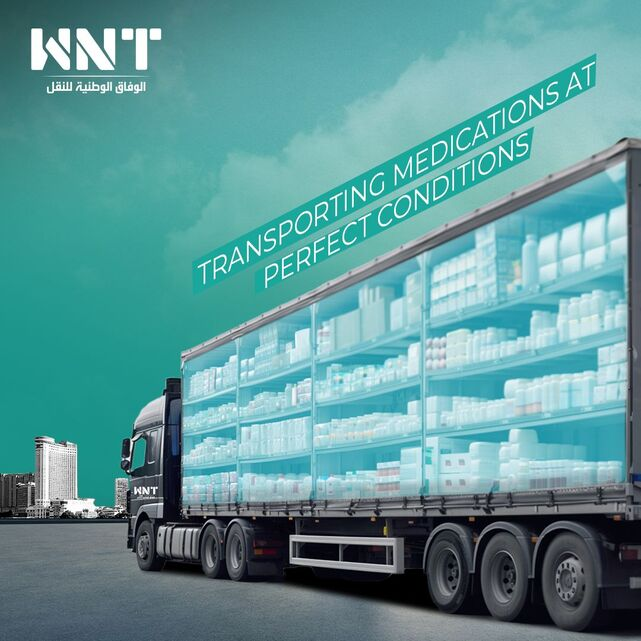
The pharmaceutical products are transported from the manufacturing sites to warehouses and distribution centers, often using specialized temperature-controlled vehicles.
8- Distribution
This step comes afterward transportation to distribute the products from warehouses to medical facilities.
Managing the pharmaceutical supply chain
Pharma supply chain management deals with planning, coordination, and control of the flow of pharmaceutical products from raw material suppliers to end consumers.
. Key components include:
- Crafting a supply chain strategy that resonates with business Objectives and market dynamics.
- Establishing a supplier network, selecting vendors of raw materials, active pharmaceutical ingredients (APIs), and packaging materials.
- Coordinate and optimize the production process, implementing rigorous oversight mechanisms to maintain high-quality standards, ensure regulatory compliance, and maximize operational efficiency.
- Implementing advanced inventory management techniques to achieve an optimal balance between supply and demand, minimizing costs while ensuring product availability and reducing waste.
- Managing an efficient logistics network for product transportation, from manufacturing facilities to distribution centers and healthcare providers.
- Developing a proactive risk management strategy to identify, assess, and mitigate potential supply chain risks.
key aspects of transportation in the pharma supply chain
1- Cold Chain Logistics: Maintain precise temperature control for sensitive products like vaccines and biologics throughout transit.
2- Specialized Handling: Use appropriate packaging and handling techniques to prevent product damage or contamination during transport.
3- Regulatory Compliance: Adhere to health authority regulations for pharmaceutical transportation.
4- Risk Management: Develop resilient plans to deal with problems like delays, theft, and temperature changes.
Pharma supply chain challenges
- Regulatory compliance.
- Temperature control.
- Demand forecasting.
- Supply chain visibility.
- Cost management.
- Global logistics.
- Inventory management.
- Product shelf life.
- Supply disruptions.
Best practices for managing pharmaceutical supply chain
- Activate end-to-end visibility through cutting-edge tracking technologies
- Adopt data-driven approaches to forecast demand and optimize inventory levels accurately.
- Implement comprehensive quality management systems across all stages of the pharmaceutical supply chain.
- Strengthen supplier relationships and expand sourcing strategies.
- Utilize risk analysis solutions to detect supply chain risks proactively.
- Collaborate with logistics partners to optimize cold chain operations.
- Utilize automation technologies to drive supply chain efficiency.
- Establish robust compliance management systems to monitor, assess, and address regulatory changes.
- Implement serialization and anti-counterfeiting measures
- Foster a collaborative spirit and mindset throughout the organization.
WNT: Your partner for reliable pharmaceutical logistics
Transportation is a critical component of the pharmaceutical supply chain, playing a crucial role in ensuring the safe and efficient delivery of essential medicines to patients worldwide. The unique nature of pharmaceutical products often requires strict temperature controls and careful handling. Failure to maintain the appropriate environmental conditions can lead to product degradation. In addition to the technical requirements, pharmaceutical transportation must also adhere to a myriad of regulatory standards and guidelines, making transportation a complex and challenging aspect of the supply chain.
This is where Al-Wefaq National Transport steps in as a trusted partner for the pharmaceutical industry. With its deep understanding of the unique challenge of transporting sensitive medical products, Al-Wefaq National Transport has developed a comprehensive suite of services tailored to the needs of the pharmaceutical sector.
Al-Wefaq National Transport’s fleet of specialized vehicles, equipped with advanced temperature-monitoring systems, ensures the seamless, secure movement, and on-time delivery of pharmaceutical goods.
Contact us now to get a personalized logistics solution for your pharmaceutical needs.